If you're thinking about buying an electric vehicle in Saudi Arabia — or already own one — the next question you'll face is: how do I install a proper charger at my home or business? This guide brings together everything you need to know in 2026 — from choosing the right charger type, to the Saudi Electricity Company (SEC) requirements, to the actual installation steps and how long they take, plus the criteria for choosing a certified installer. Every claim here is grounded in our hands-on experience at Climatech Charger installing chargers across multiple sectors in the Kingdom.
Types of EV Chargers
The Saudi EV-charger market splits into two main categories based on how power is delivered: AC (alternating current) chargers and DC (direct current) chargers. Each serves a different purpose and fits a different location.
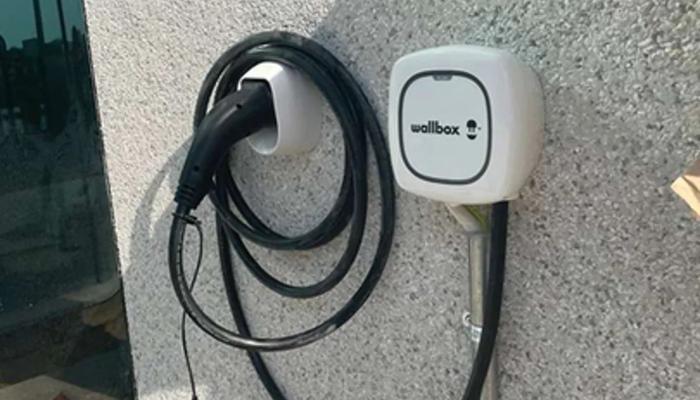
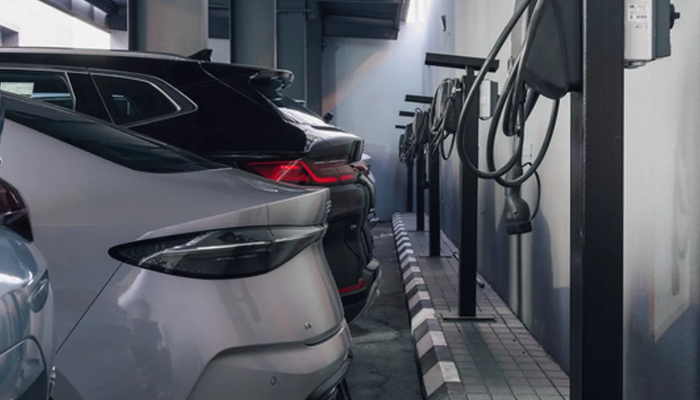
AC Chargers for Home and Office
AC chargers are the most common choice for villas, apartments, and offices. Power ratings range from 3.7 kW single-phase up to 22 kW three-phase, and the real-world delivered power depends on the electrical supply at the installation site. The two connector types you will see most often in Saudi Arabia: Type 2 (used by most modern European, Korean, and Chinese EVs — Tesla, BYD, Lucid, Hyundai IONIQ) and Type 1 (some older models).
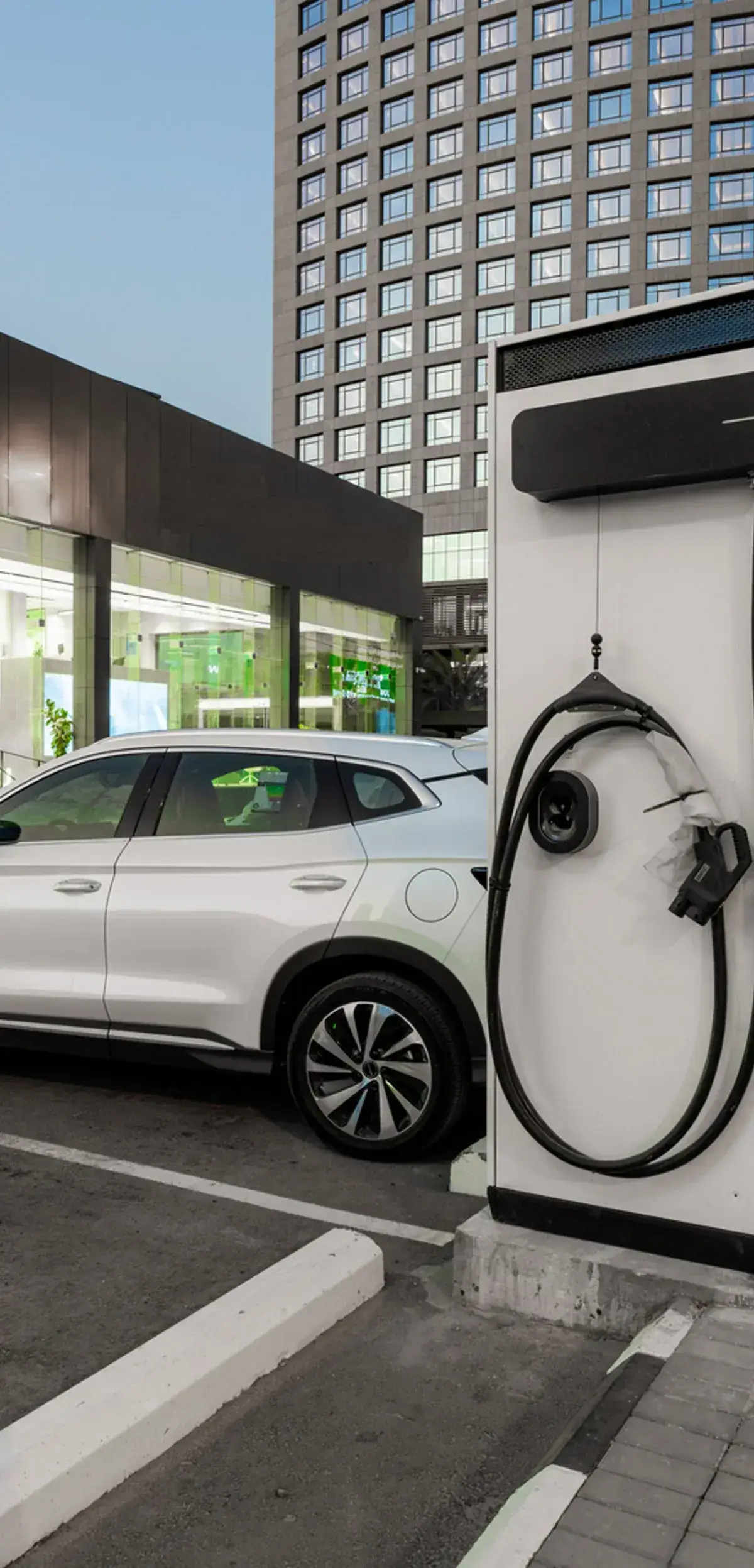
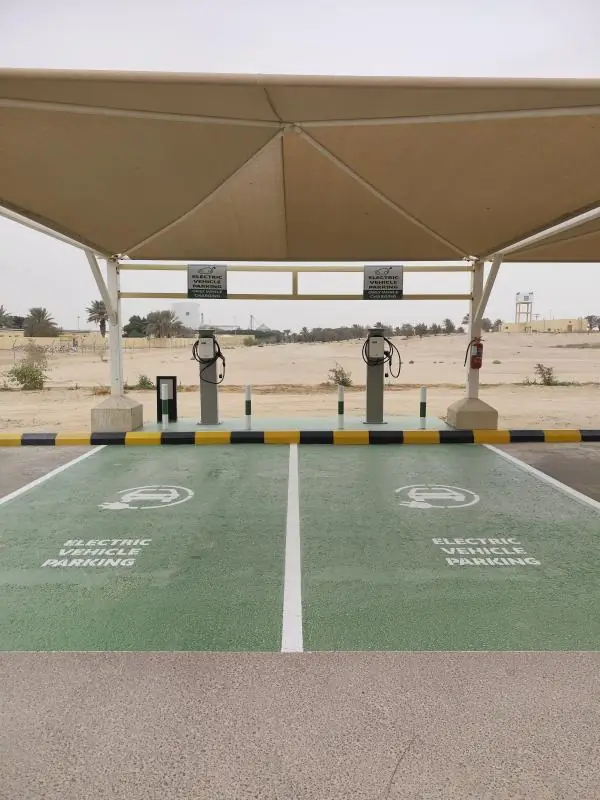
DC Fast and Ultra-Fast Chargers
DC chargers are deployed at public stations and commercial sites like shopping malls, fuel station forecourts, and corporate parking. Power starts at 50 kW and goes up to 400 kW and beyond, charging a typical EV from 20% to 80% in 15–60 minutes depending on the battery. Common connectors in KSA: CCS2 (the dominant European standard), CHAdeMO (older Nissan Leaf), and NACS (some newer Tesla units).
Installation Requirements in Saudi Arabia
Installing an EV charger in the Kingdom is not a simple electrical job — it must comply with Saudi Electricity Company (SEC) requirements and local safety standards. Installations carried out by uncertified technicians can void your warranty, invalidate your insurance, and in case of electrical faults can lead to real safety risks for people and property.
SEC Compliance Certificate
Every new home EV-charger installation requires an SEC compliance certificate confirming that the wiring, protection, and earthing meet the standard. Getting this certificate through a certified installer typically takes 5–10 working days, and the installer handles all the paperwork and coordination with the certified engineer on your behalf.
Panel Capacity and Electrical Check
Before installation, the main electrical panel is checked to ensure the charger load can be added without affecting other circuits. Modern villas in Riyadh, Jeddah, and Dammam usually have enough capacity for a 7 kW or 11 kW AC charger without any upgrade. For 22 kW three-phase units you may need a panel upgrade or a dedicated feed from the meter.
Installation Steps
The full process from the first call to the first charge runs through 7 sequential steps, taking anywhere from 3 days to 2 weeks depending on the charger type and site conditions:
- Site survey: a technician visits the location to measure distances, inspect the electrical panel, and assess protection and earthing requirements.
- Charger selection: based on your car, daily usage, and budget, we recommend the best charger model from the certified options (Tesla Wall Connector, Schneider EVLink, Wallbox, Autel, Injet, and others).
- Detailed quote: a complete quote covering the charger, cabling, protection, earthing, SEC compliance certificate, and a 24-month warranty.
- Electrical work: cable runs from the main panel to the charger location, with separate earthing and the right protection circuits.
- Charger mounting: wall or pedestal mounting, cable connection, and initial commissioning.
- Final test and SEC certification: a full safety check, followed by submission to SEC for the compliance certificate.
- Handover and training: walkthrough of the charger and its companion app, plus delivery of the warranty booklet and certificates.
Choosing a Trusted Installer
The Saudi EV-charging market is growing fast, and with it has come a wide range of installer quality. To protect your safety and your investment, make sure your chosen installer ticks every one of these boxes:
- Official SEC certification to perform charger installations and issue compliance certificates.
- Authorized partnerships with charger manufacturers (Schneider Electric, EVBox, Wallbox, ABB) so you get genuine equipment and proper technical support.
- A licensed in-house engineering and technical team — not untrained subcontractors on the critical path.
- A written warranty on installation and equipment of at least 24 months.
- Real, documented references across residential, commercial, and government installations.
- Local after-installation support available to handle anything that comes up.
Frequently Asked Questions
How long does the full installation take?
The real timeline depends on the charger type and site. A straightforward residential installation (7 kW AC in a modern villa) typically completes within 3–5 working days from quote acceptance. Commercial projects and installations requiring a panel upgrade or long cable runs can run 2–4 weeks.
Can a charger be installed in an apartment?
Yes, with conditions. You need building-management approval and confirmation that enough power is available at the parking spot. Apartment-suitable chargers are typically 3.7–7 kW single-phase. We do not recommend trying to charge from a regular wall outlet — it is unsafe and not rated for the continuous current draw an EV requires.
Will I need to upgrade my electrical panel?
For most modern villas and apartments, the existing capacity is fine for a 7 kW charger without any upgrade. For 11 kW or 22 kW units, we check the panel during the site visit and flag any required changes before work begins — no surprises on the final bill.
Genuine charger vs aftermarket alternative — what is the real difference?
A genuine charger from the dealer ships with manufacturer warranty and direct integration with your car's app. Certified aftermarket alternatives (Wallbox, Injet, Autel, Deltrix) deliver the same charging capacity at the same build quality, with a 24-month installer warranty. The choice depends on your budget and how much you value app integration.
Do you install outside Riyadh?
Yes. Our teams cover Riyadh, Jeddah, Dammam, Khobar, Makkah, and Madinah. For other cities we deliver on pre-agreed schedules depending on project size. Contact us to confirm availability in your city.
Next Step
If you have read this far you are most likely ready for the next step. Start with the quick quote calculator (4 steps, takes 2 minutes) to get a preliminary estimate for your project, or reach out directly via WhatsApp or phone for a free site survey in Riyadh, Jeddah, Dammam, and Makkah.