An EV charger is only as good as its installation. The hardware sits on the wall for a decade or more — but everything from how fast it charges to whether it survives the Saudi summer comes down to who put it there. This guide walks through what an EV charger installation company actually does in 2026 and how to evaluate one before signing.
What an installation company actually does
The job is more than mounting a unit on a wall. A real EV charger installation company handles a site survey to inspect your panel and parking, an electrical capacity assessment, the regulatory filing with the Saudi Electricity Company (SEC), hardware supply and brand selection, cable routing and physical install, commissioning and testing, and warranty support after handover. Skip any one of these and you risk an installation that fails inspection, charges slowly, or fails outright in 50°C summer.
SEC certification — the non-negotiable
Saudi Arabia regulates EV charger installations through the Saudi Electricity Company. Any company doing residential or commercial EV charger work must have SEC certification — not a general electrical contractor licence. This certification covers the specific competencies needed for high-voltage charger installation: load calculation, panel upgrades when needed, the right cable gauge, RCD selection, grounding, and the regulatory filing. If a company can't show you their SEC certification, that's the end of the conversation.
Residential vs commercial — two different worlds
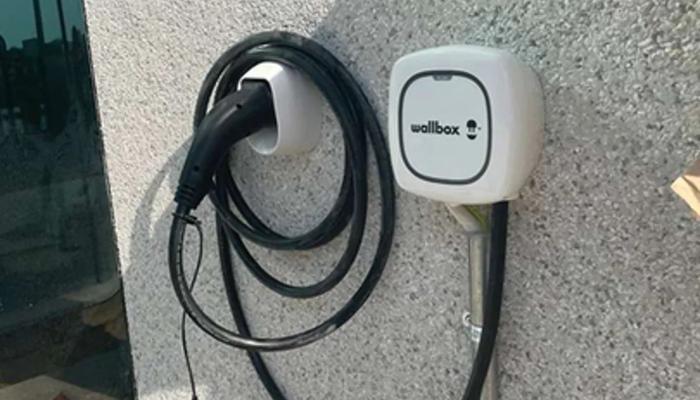
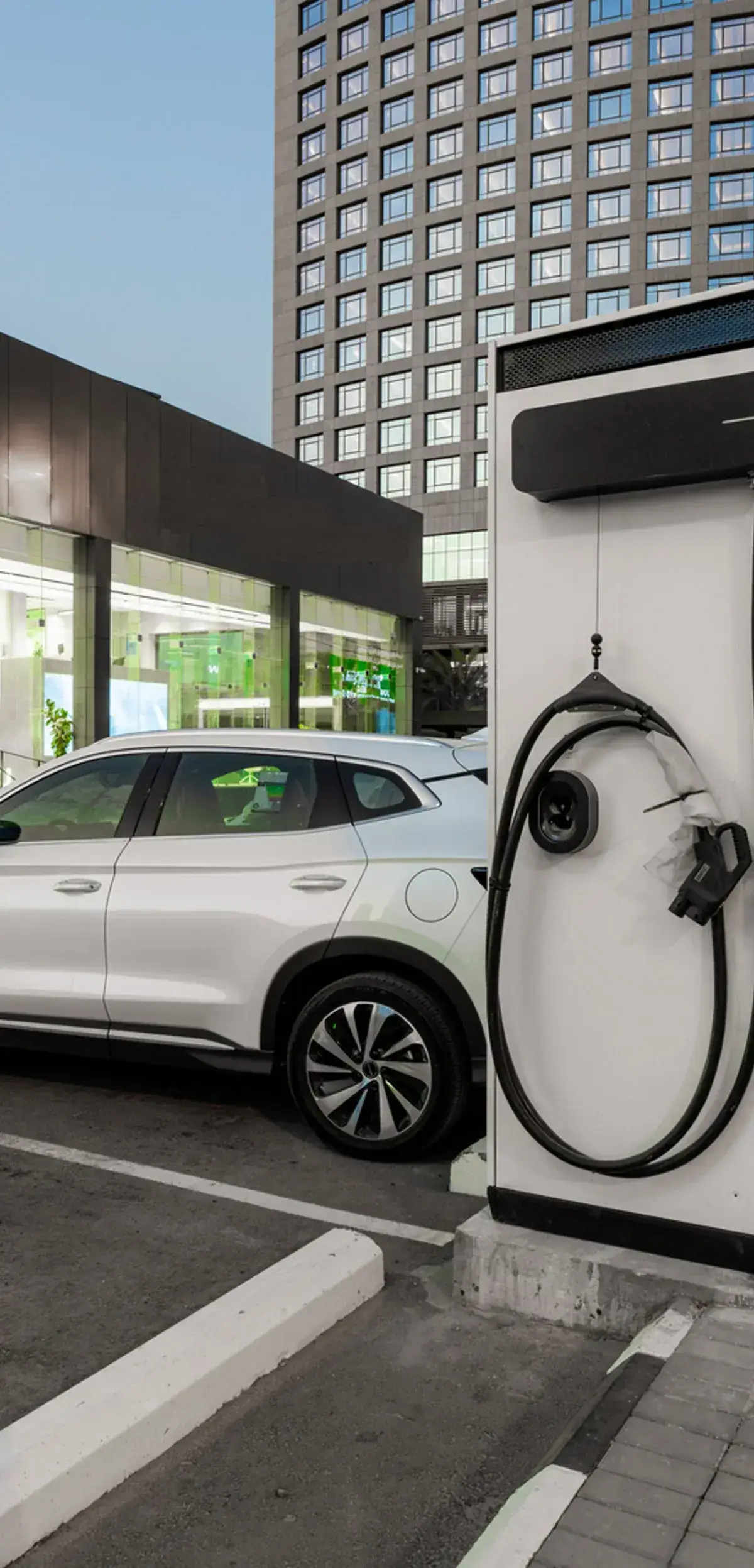
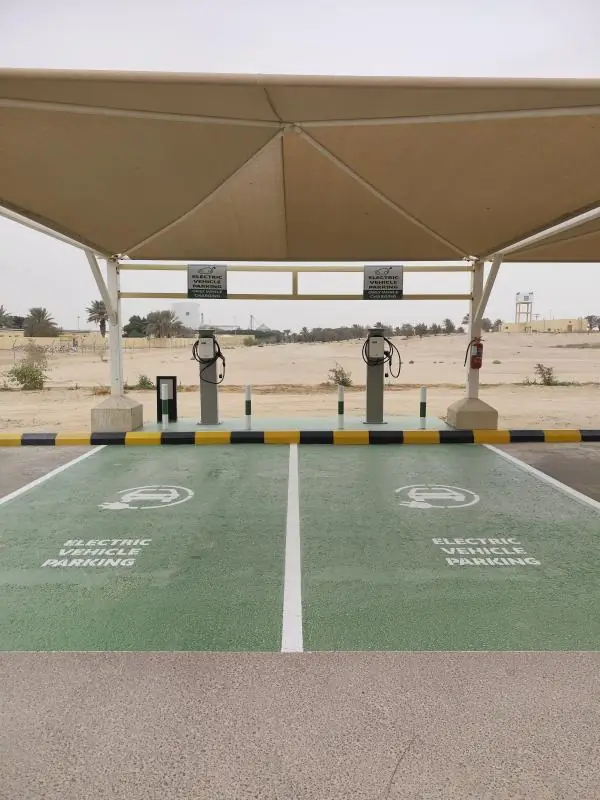
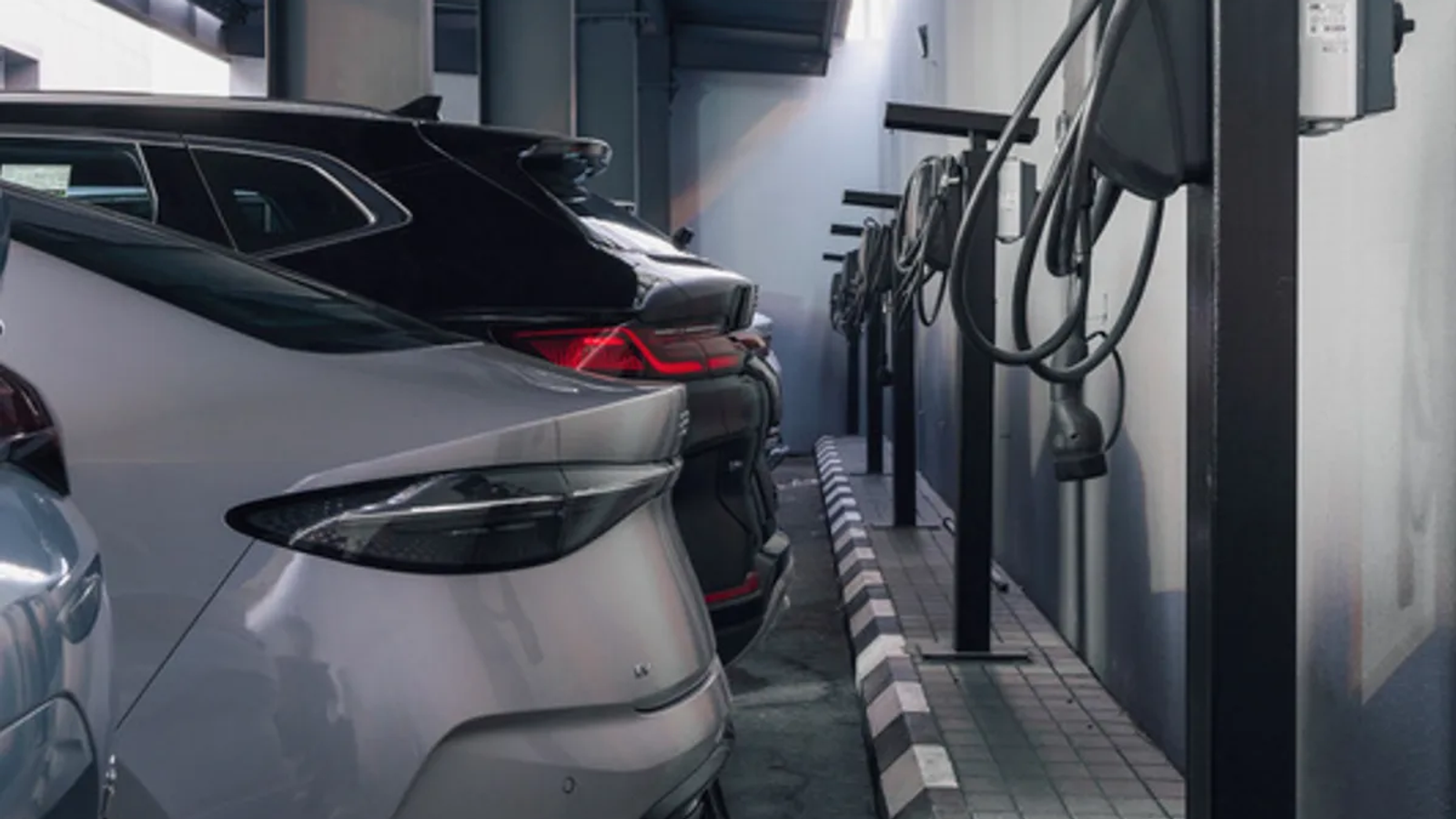
Residential installation is typically a single 7 kW or 11 kW unit, sometimes 22 kW if the home has three-phase power — usually a one-day job after the survey. Commercial installations — banks, hospitals, government, hotels, malls, fleet depots — involve multiple chargers, often DC fast chargers up to 400 kW, load management systems, payment networks, and ongoing operation. The skill sets overlap but the projects are fundamentally different. Make sure the company you choose has real experience in the type of project you have.
Brand expertise vs generic install
Different chargers — Wallbox, ABB, Schneider Electric, EVBox, Alpitronic, Alfanar — have different commissioning procedures, app integrations, and warranty conditions. A company that's an authorised partner for the brand you're installing will have access to manufacturer support, faster spare parts, and the right diagnostic tools. A generic electrician installing a Wallbox for the first time may get the physical install right but miss the commissioning steps that activate warranty coverage.
Six questions to ask before signing
Do you have current SEC certification — show me the document. Are you an authorised partner for the brand we're installing. Do you do a site survey before quoting (if they quote without seeing the site, that's a red flag). What does your written quote cover — does it include cable, RCD, panel work, the SEC filing, and commissioning. What's the warranty on the installation work itself, separate from the hardware warranty. Can you show installations you've done that are similar in scale and brand to ours. If you don't get clear answers to all six, keep looking.
Where Climatech fits
Climatech Charger is an SEC-certified EV charger installation company based in Riyadh, with installations across Saudi Arabia. We are an authorised partner for Wallbox, ABB, Schneider Electric, EVBox, Alpitronic, and Alfanar — covering residential 7 kW units through commercial 400 kW DC fast chargers. Our delivery is end-to-end: site survey, design, SEC filing, supply, install, commissioning, and ongoing operation. For maintenance and warranty service on the EV itself, we hand off to our sister company EVS Riyadh. If you're planning an installation — residential or commercial — start with a free site survey via WhatsApp, phone, or our online form.