Installing an EV charger in Riyadh is not the same job as installing one in Jeddah or Dammam. The regulator is the same — the Saudi Electricity Company (SEC) — but Riyadh has its own residential and commercial electrical infrastructure realities, its own tariff math, and a permitting process that local installers know how to navigate. This guide covers the requirements specific to a Riyadh installation in 2026.
What permits and approvals you actually need
An EV charger installation in Riyadh typically involves the SEC residential filing — a notification to the utility that a new high-load device has been added to the property, with the load profile and the protective devices specified. For most single-charger residential installs the process is straightforward and is handled by the SEC-certified installer as part of the project; for commercial or multi-charger sites the filing is more involved and may require a load study and utility coordination. If your villa is in a compound with shared infrastructure, the compound management may also need to approve the work, and an inspection of the shared electrical room may be required.
What your electrical panel must support
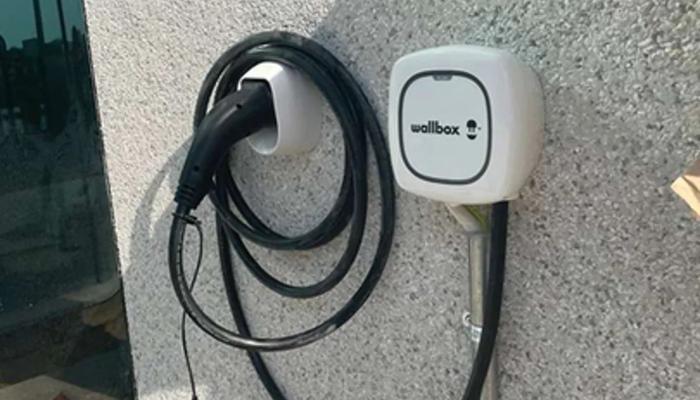
Most older Riyadh villas are wired single-phase, with the residential supply sized for typical household loads — split AC units, lighting, kitchen appliances. A 7.4 kW charger fits within that envelope on most properties. An 11 kW or 22 kW charger requires three-phase service, which not every home has. Newer compounds and most large villas are wired three-phase by default. The first step in any Riyadh installation is a panel inspection: the installer checks available capacity, verifies the main breaker rating, and looks at the existing protective devices. If the panel cannot accommodate the charger, an upgrade is required before the install can proceed — sometimes as simple as a new breaker, sometimes a panel replacement.
Riyadh tariff implications
Saudi residential electricity is priced on a tiered tariff that increases with monthly consumption. A home EV charger raises monthly kWh use, which can push a household into the next tariff tier and change the per-kWh cost across the whole bill — not just the charger's share. This is the single biggest reason owners are surprised by their first post-installation electricity bill. The way to manage this is straightforward: schedule charging where possible, monitor monthly consumption against the tier thresholds, and consider a 7.4 kW charger over a 22 kW unit if the larger one is not actually needed. The exact tariff figures change periodically; the SEC publishes them and your installer can advise on the impact for your specific property.
Site survey: what the installer is actually looking at
On a Riyadh site survey, the installer assesses: the location of the electrical panel relative to the parking spot (cable run length and route), the cable routing options (surface-mount vs buried, indoor vs outdoor segments), the panel capacity and condition, the protective device requirements (RCD selection, grounding), the charger location and mounting surface, and the charging port location on the vehicle. The output is a written quote covering hardware, cable, RCD, panel work if needed, the SEC filing, installation labour, commissioning, and warranty. A quote written without a site survey is a guess — and an EV installation is not a place to accept guesses.
Commercial and multi-tenant installations in Riyadh
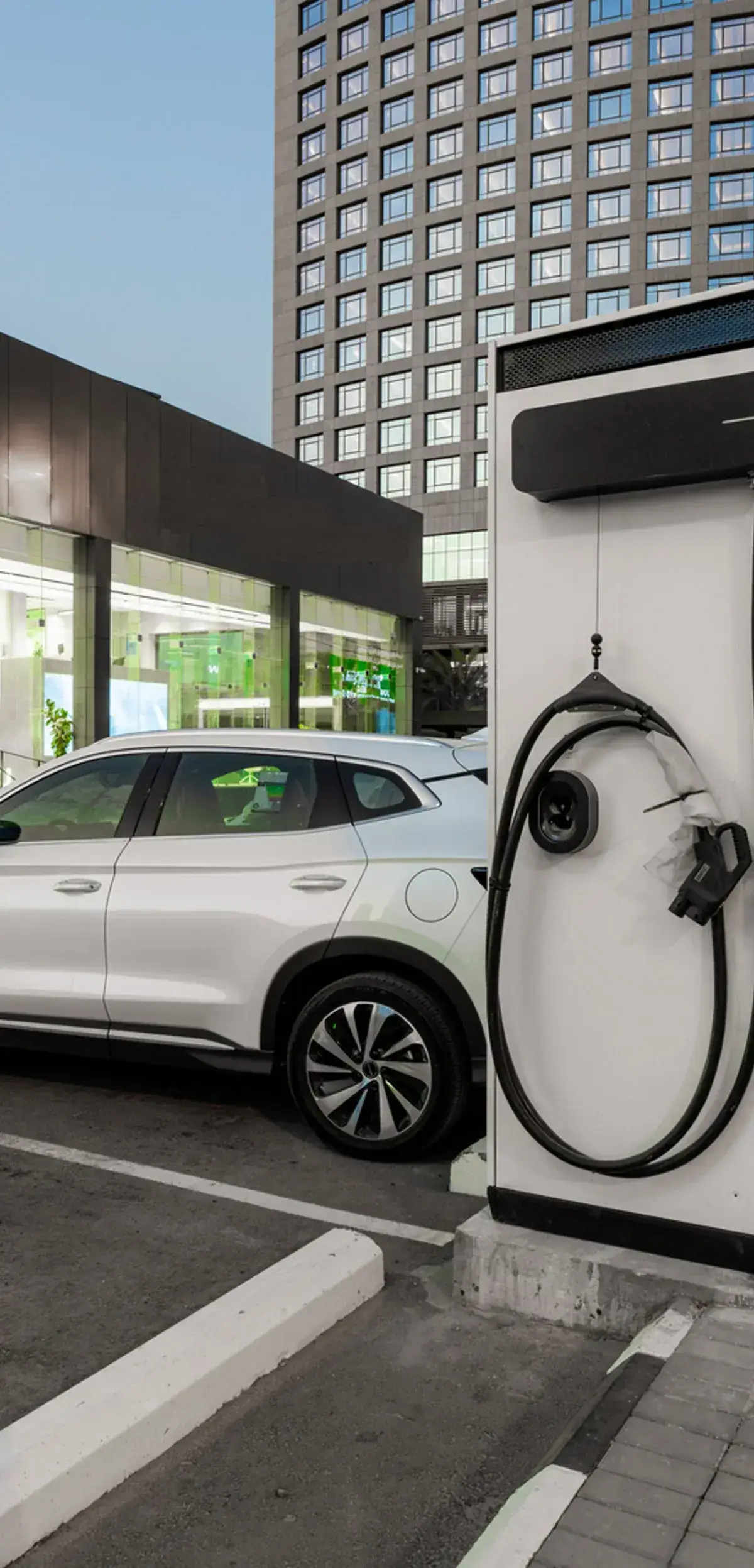
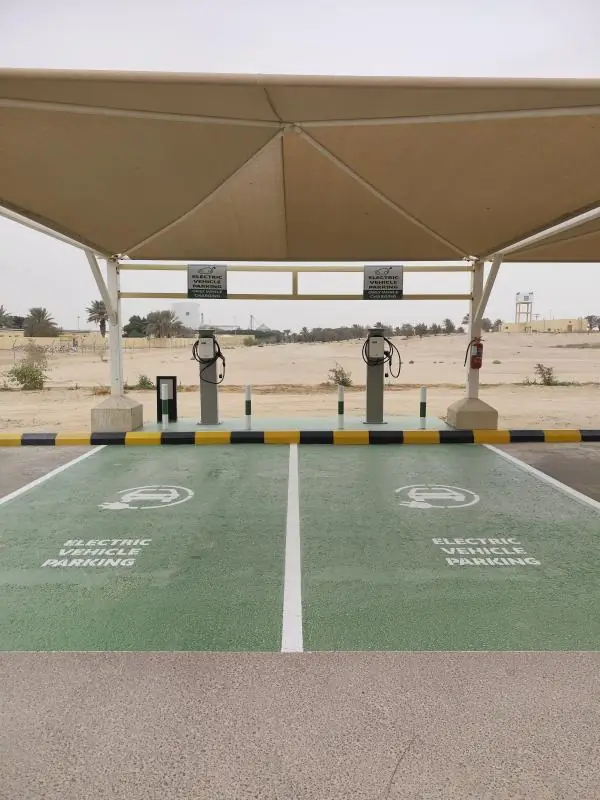
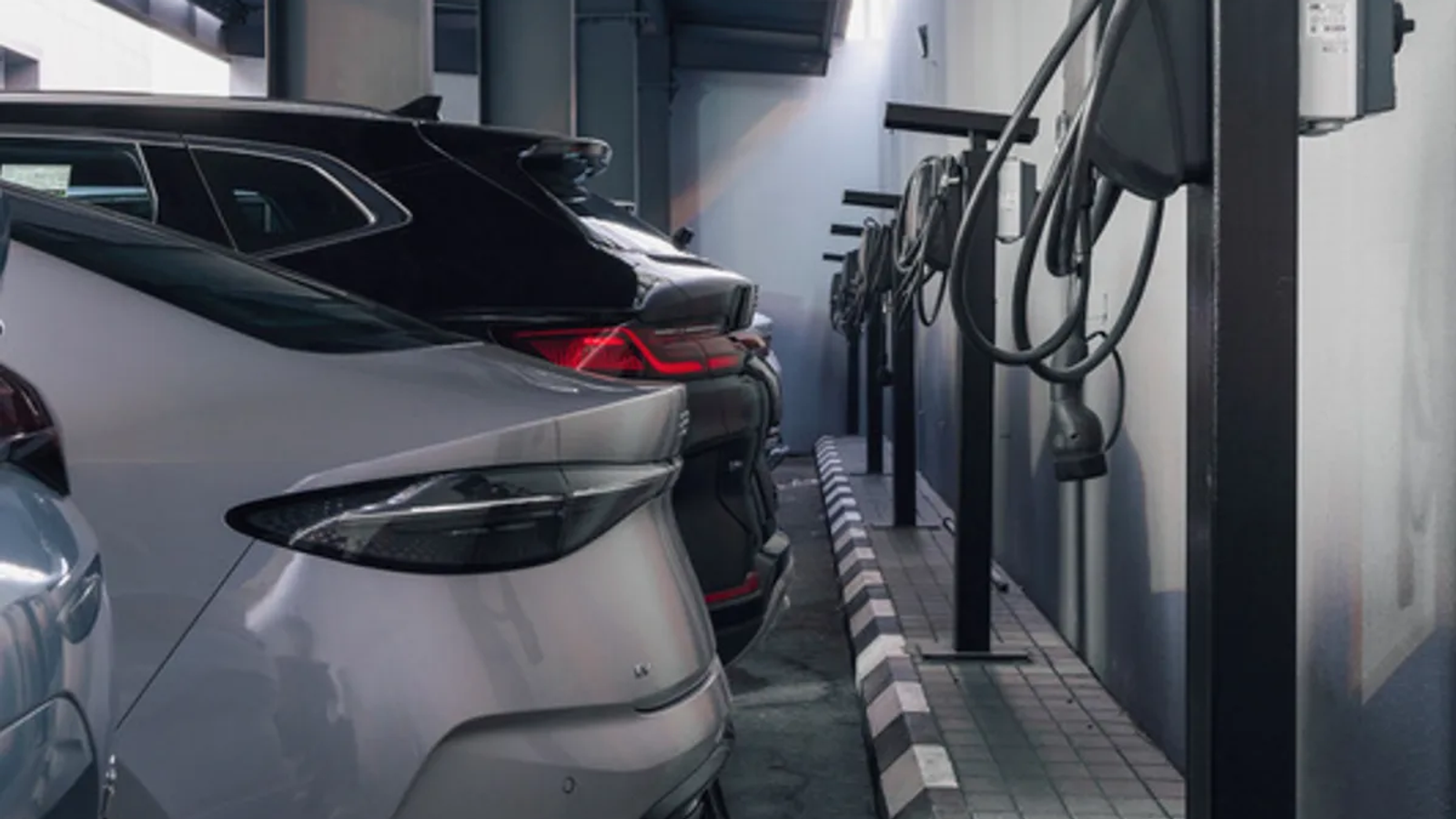
Commercial installations in Riyadh — office buildings, shopping centres, hospitals, government facilities, hotel chains, fleet operators — bring an additional layer: load management for multiple chargers sharing a common feed, possible MV/LV transformer considerations for high-power DC sites, payment and access control systems, and an operating model (own-and-operate, lease, third-party operator). Riyadh's commercial property market often involves shared electrical infrastructure between tenants, and the installation contract needs to be clear about responsibilities for power supply, ongoing maintenance, and operating costs. A Riyadh-experienced installer brings the negotiation and documentation patterns that work in this market.
Working with Climatech in Riyadh
Climatech Charger is based in Riyadh and has installed EV charging across the city — villas, compounds, banks, hospitals, and government sites. We are SEC-certified and an authorised partner for Wallbox, ABB, Schneider Electric, EVBox, Alpitronic, and Alfanar. The site survey is free; we issue a written quote covering everything the install needs and handle the SEC filing as part of the project. To start, send us your address, charger preference (or ask us to recommend one for your home), and the brand of EV. We respond on WhatsApp and the website form within the same day.