Saudi Arabia is undergoing a radical transformation in its transportation sector, driven by the ambitious Vision 2030 that places environmental sustainability and economic diversification at the heart of its priorities. At the core of this transformation, electric vehicles stand as a fundamental pillar of the Kingdom's future mobility.
From customs exemptions and regulatory incentives to massive charging infrastructure projects, government and private sector efforts are converging to make electric vehicles a practical and accessible option for millions of residents in the Kingdom. In this comprehensive analysis, we review the reality of the EV market in Saudi Arabia, supporting policies, infrastructure development, existing challenges, and future opportunities that investors and businesses should seize.
Vision 2030 and Electric Vehicles: Goals and Strategies
Vision 2030 has set a clear goal for electric and hybrid vehicles to represent approximately 30% of all vehicles in major cities by the end of the current decade. To achieve this goal, the government has launched several integrated initiatives and strategies:
- National Transport Strategy: Includes a dedicated axis for electric mobility, covering the development of charging infrastructure and the establishment of unified technical standards.
- Saudi Green Initiative: Aims to significantly reduce carbon emissions, with electric vehicles being a key tool to achieve this in the transport sector.
- NEOM Project: The futuristic city designed to be completely carbon-emission free, which will rely exclusively on electric vehicles.
- Ceer: The first Saudi electric vehicle brand, in partnership with Taiwan's Foxconn, is set to begin production in the Kingdom.
- Lucid Project in Jeddah: Lucid Motors factory in the Jeddah Economic Zone for producing luxury electric vehicles, with a target production capacity exceeding 150,000 vehicles annually.
Important figure: The electric vehicle market in Saudi Arabia is expected to exceed USD 10 billion by 2030, according to estimates from several international research institutions specialized in the energy and transport sectors.
EV Adoption Statistics in the Kingdom
Recent years have witnessed remarkable growth in EV sales in Saudi Arabia. Below are the key indicators:
Government Incentives and Supporting Regulations
The Saudi government offers a range of incentives and regulations that accelerate EV adoption:
Financial and Customs Incentives
- Customs exemption or reduction: Electric vehicles enjoy exemptions or reductions in customs duties compared to conventional vehicles.
- Financing facilities: Several Saudi banks offer financing programs dedicated to electric vehicles at competitive profit rates.
Regulations and Mandatory Standards
- Saudi Building Code: Is moving toward requiring new commercial and residential buildings to provide EV-Ready infrastructure for electric vehicle chargers.
- Specifications and standards criteria: The Saudi Standards, Metrology and Quality Organization (SASO) has set technical standards for chargers permitted to be traded in the Saudi market.
- Charging sector regulation: The Electricity and Cogeneration Regulatory Authority is working on establishing a regulatory framework for commercial charging station operators.
Charging Infrastructure Growth: Where We Started and Where We're Heading
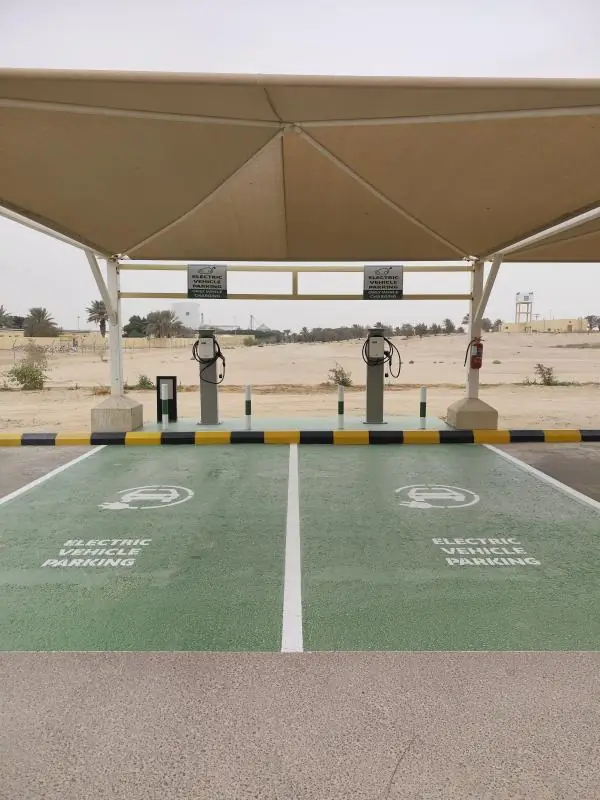
Charging infrastructure is the backbone of electric vehicle adoption. The Kingdom has witnessed a significant leap in the number of available charging points over the past two years:
EVIQ Network
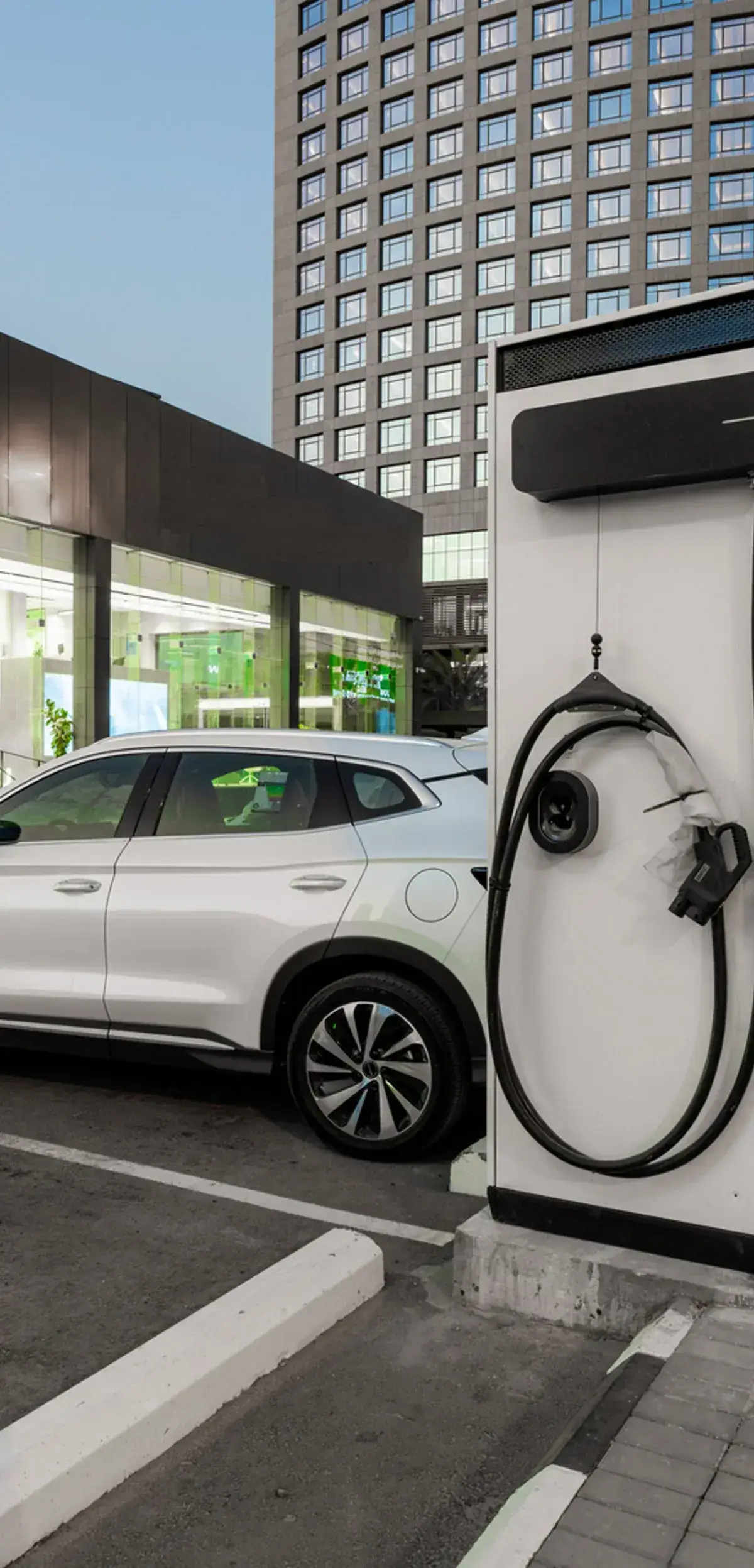
EVIQ is one of the most prominent fast-charging station operators in the Kingdom. It provides DC charging stations with capacities ranging from 50 to 360 kW on major highways and in large cities. It continues to expand rapidly to cover long distances between cities and alleviate range anxiety among electric vehicle owners.
Private Sector Operators
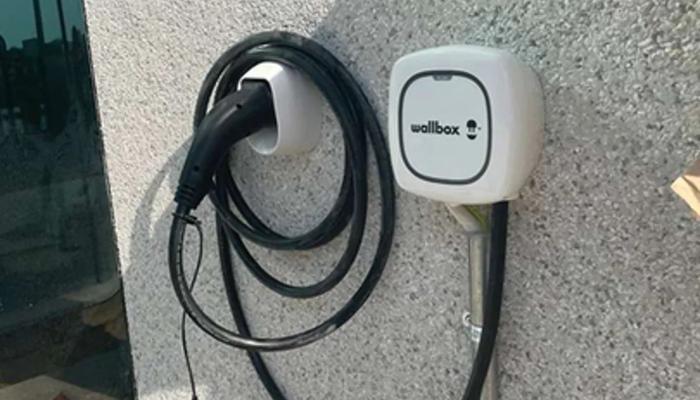
Alongside EVIQ, the private sector contributes significantly to expanding the charging network. Companies such as Climatech Charger are executing charger installation projects for a diverse range of clients, including:
- Banks: Riyad Bank (more than 21 branches), Bank Albilad (12 branches), Arab National Bank
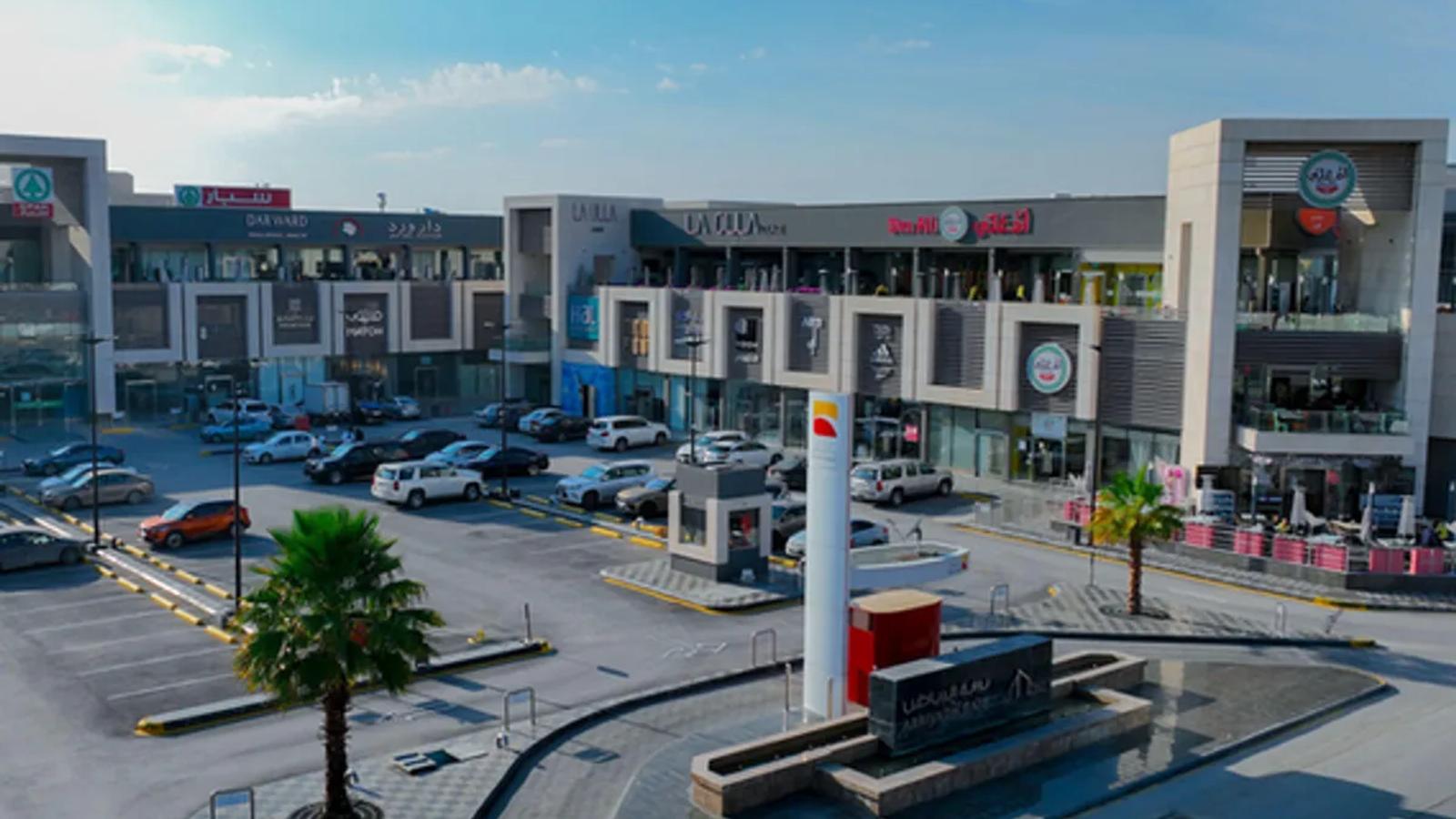
- Shopping malls and hotels
- Residential projects and compounds
- Gas stations adding electric charging service
- Government headquarters and major corporate buildings
Challenges Facing EV Adoption in Saudi Arabia
Despite the notable growth, there are still real challenges that need to be addressed to achieve the 2030 goals:
1. Range Anxiety
Many consumers are still hesitant to purchase an electric vehicle out of fear of battery depletion during long trips. Although battery range has improved significantly (400-600 km per charge in modern models), awareness of charging station availability on the roads remains limited among a wide segment of consumers.
2. High Temperatures
High temperatures in Saudi Arabia — which exceed 50 degrees Celsius during summer in some regions — pose a challenge to battery performance and charging efficiency. However, modern battery generations and advanced cooling systems are handling this challenge with increasing effectiveness. Additionally, high-quality chargers are designed with an IP54 protection rating or higher to withstand harsh environmental conditions.
3. Charging Infrastructure in Remote Areas
Charging infrastructure is currently concentrated in major cities and main highways. Rural areas and secondary roads still lack sufficient charging points, which limits the appeal of electric vehicles for residents of those areas.
4. Limited Consumer Awareness
Many consumers still lack sufficient knowledge about electric vehicles, their actual operating costs, and available charging options. Awareness and educational programs need to expand their scope to reach larger segments of society.
Fact: Despite these challenges, opinion polls show that more than 60% of Saudis express interest in purchasing an electric vehicle as their next car, one of the highest rates in the Middle East region.
Investment and Business Opportunities
The shift toward electric mobility opens wide doors for investors and entrepreneurs in several areas:
Operating Charging Stations
Establishing and operating commercial charging stations is one of the most promising opportunities. As the number of electric vehicles increases, demand for charging points in strategic locations grows. Stations established in high-traffic locations (shopping malls, restaurants, gas stations) generate lucrative returns.
Installation and Maintenance Services
Demand for EV charger installation and maintenance companies is growing at a pace that currently exceeds supply. Companies that develop their technical competencies and build a strong track record now will reap the rewards when demand multiplies in the coming years.
Software Solutions and Management Systems
Charge Point Management Systems (CPMS) and their associated applications represent a significant technological opportunity. These systems manage charging operations, payments, proactive maintenance, and data analytics — all services increasingly needed by charging station operators.
The Impact of Electric Vehicles on the Real Estate Sector
The spread of electric vehicles is reshaping the standards of the Kingdom's real estate sector in a noticeable way:
Commercial Real Estate
- Shopping malls: The presence of chargers attracts visitors who spend more time — which means more spending in stores and restaurants.
- Office buildings: Companies that provide chargers for their employees gain an advantage in attracting and retaining talent.
- Hotels and resorts: An electric vehicle charger has become an expected service in upscale hotels.
Residential Real Estate
- Villas and homes: Providing a home charger raises property value and increases its appeal to potential buyers.
- Residential complexes: Compounds and modern residential projects compete to provide shared chargers in parking areas.
- Regulatory requirements: The new building code is expected to require residential projects to provide charging-ready infrastructure.
Tip for real estate developers: Don't wait until charger installation becomes mandatory. Preparing the infrastructure during the construction phase costs much less than adding it later. Make sure to collaborate with a specialized company such as Climatech Charger to ensure implementation according to the correct standards.
Future Projections for the Saudi EV Market
Based on current data and global and local trends, we expect the following for the coming years:
- 2026-2027: A notable acceleration in sales with the introduction of new economical models and the start of production at the Lucid factory in Jeddah. The share of electric vehicles is expected to range between 10% and 15% of new sales.
- 2028-2029: Maturation of charging infrastructure and comprehensive coverage of main highways and cities. The launch of Saudi Ceer vehicles. A notable decline in battery prices makes electric vehicles cheaper than traditional ones in some categories.
- 2030 and beyond: Approaching or exceeding the 30% target in major cities. Tightening restrictions on traditional high-emission vehicles. Charging stations transforming into a mature and profitable sector.
How to Prepare for This Transformation Now?
Whether you are a commercial property owner, a real estate developer, a facility manager, or a business owner, the right time to prepare is now:
- If you are a commercial property owner: Installing chargers increases the appeal of your property and attracts more tenants and visitors.
- If you are a real estate developer: Prepare the charging infrastructure during the construction phase — the cost now is much less than adding it later.
- If you are a facility manager: Assess your building's charger needs and start with a phased implementation plan.
- If you are an investor: The charging infrastructure sector offers promising investment opportunities with growing returns.
In all cases, collaborating with a specialized partner that has the expertise, licenses, and a solid track record is the key to the success of any electric vehicle charging project. Climatech Charger provides integrated solutions that include consultation, design, supply, installation, maintenance, and the Charge Point Management System — all from a single trusted source.
Do You Want to Be Part of the Future of Electric Mobility in Saudi Arabia?
Whether you are planning to install a home charger or establish a commercial charging network, the Climatech Charger team is ready to help you. Get a free consultation and a comprehensive quote today.